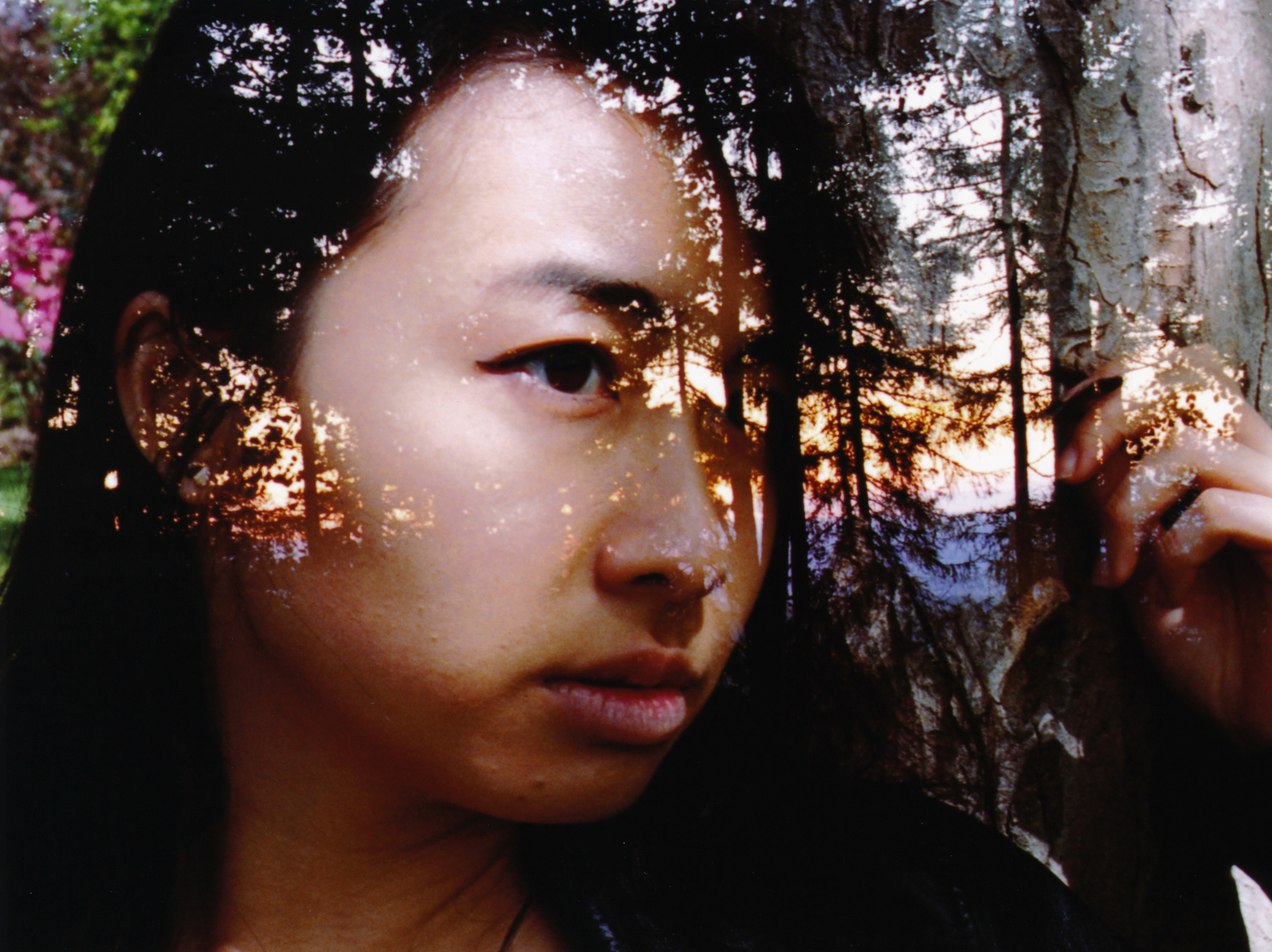
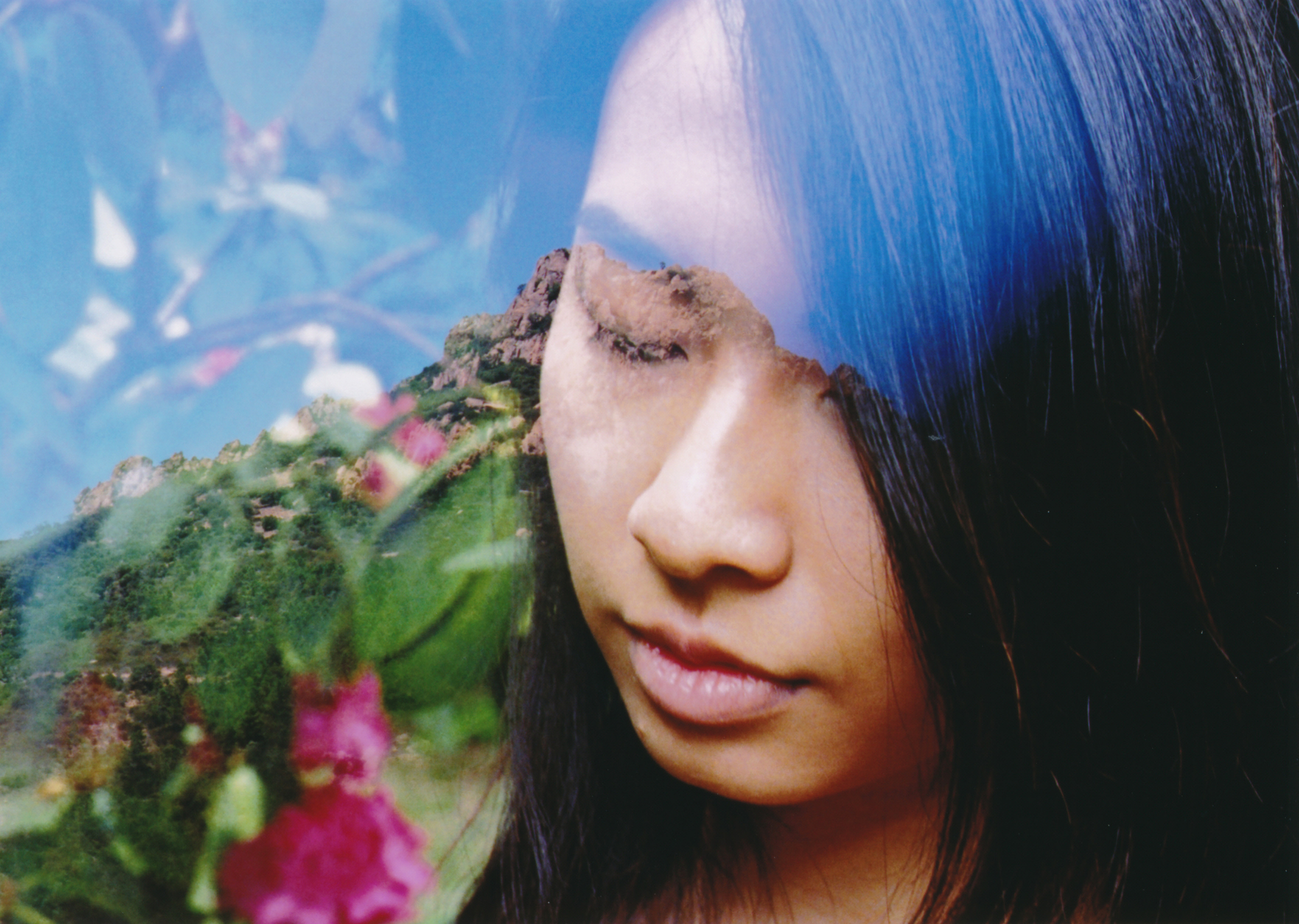
A swap with the fantastic Holly Jade
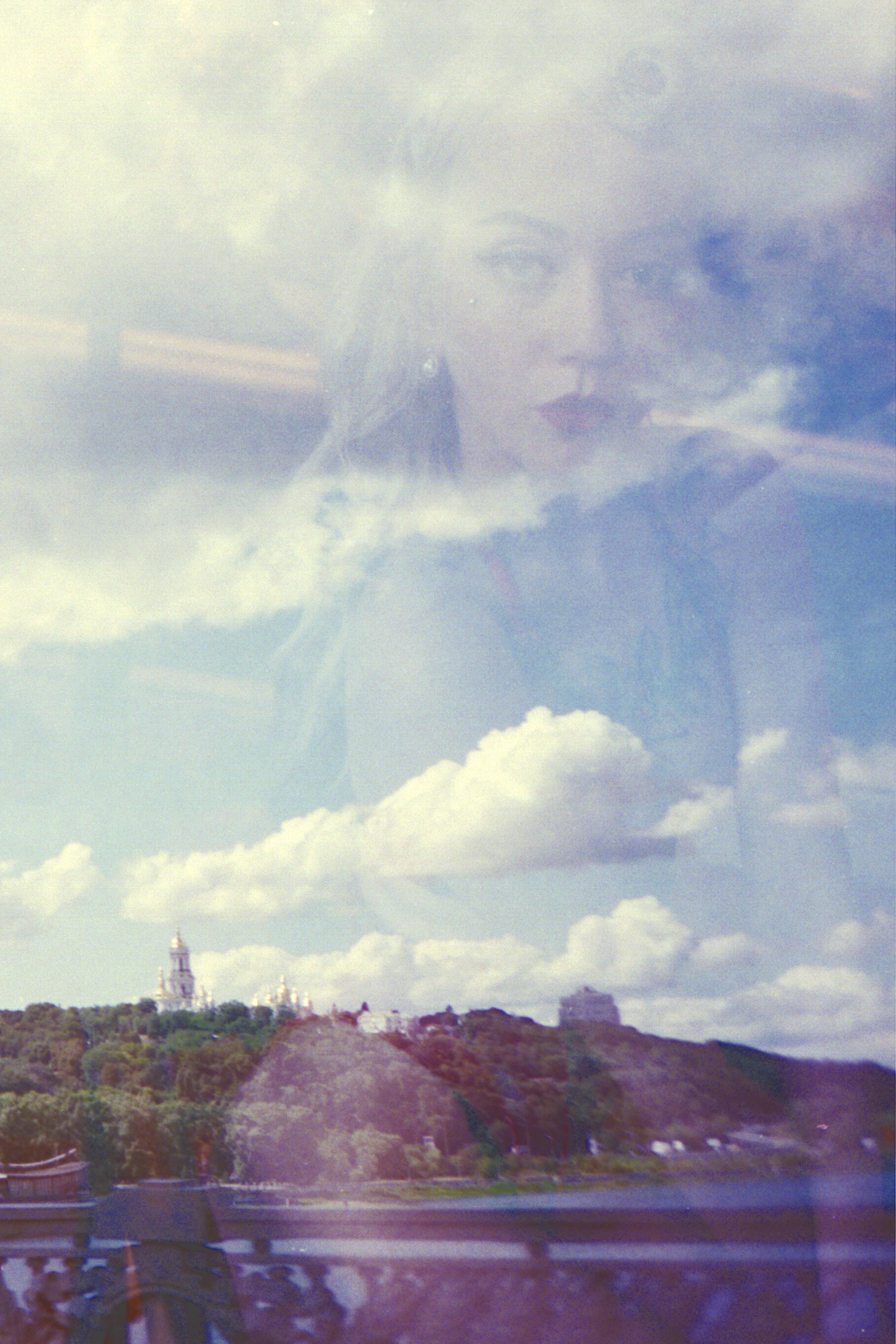

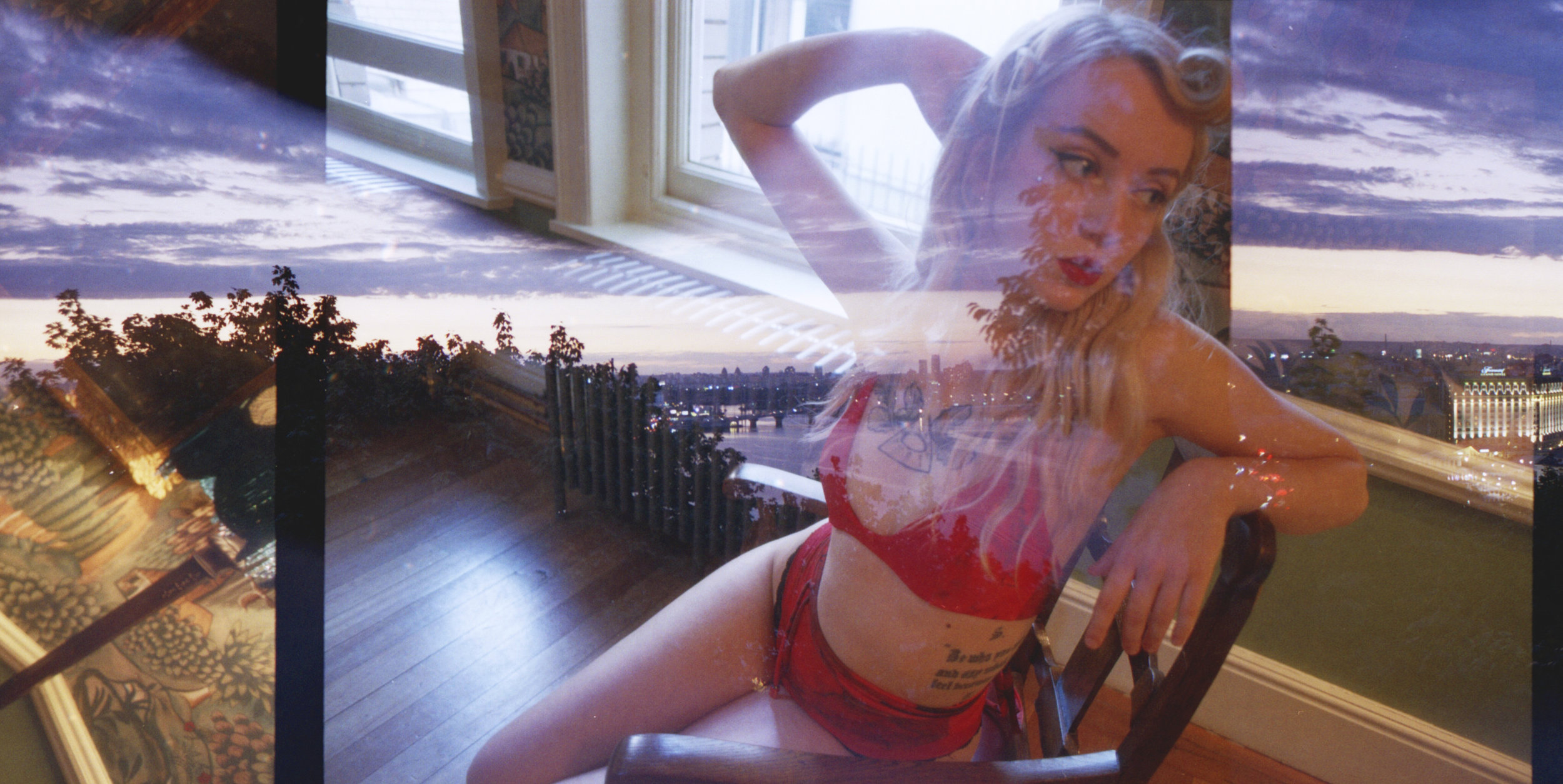
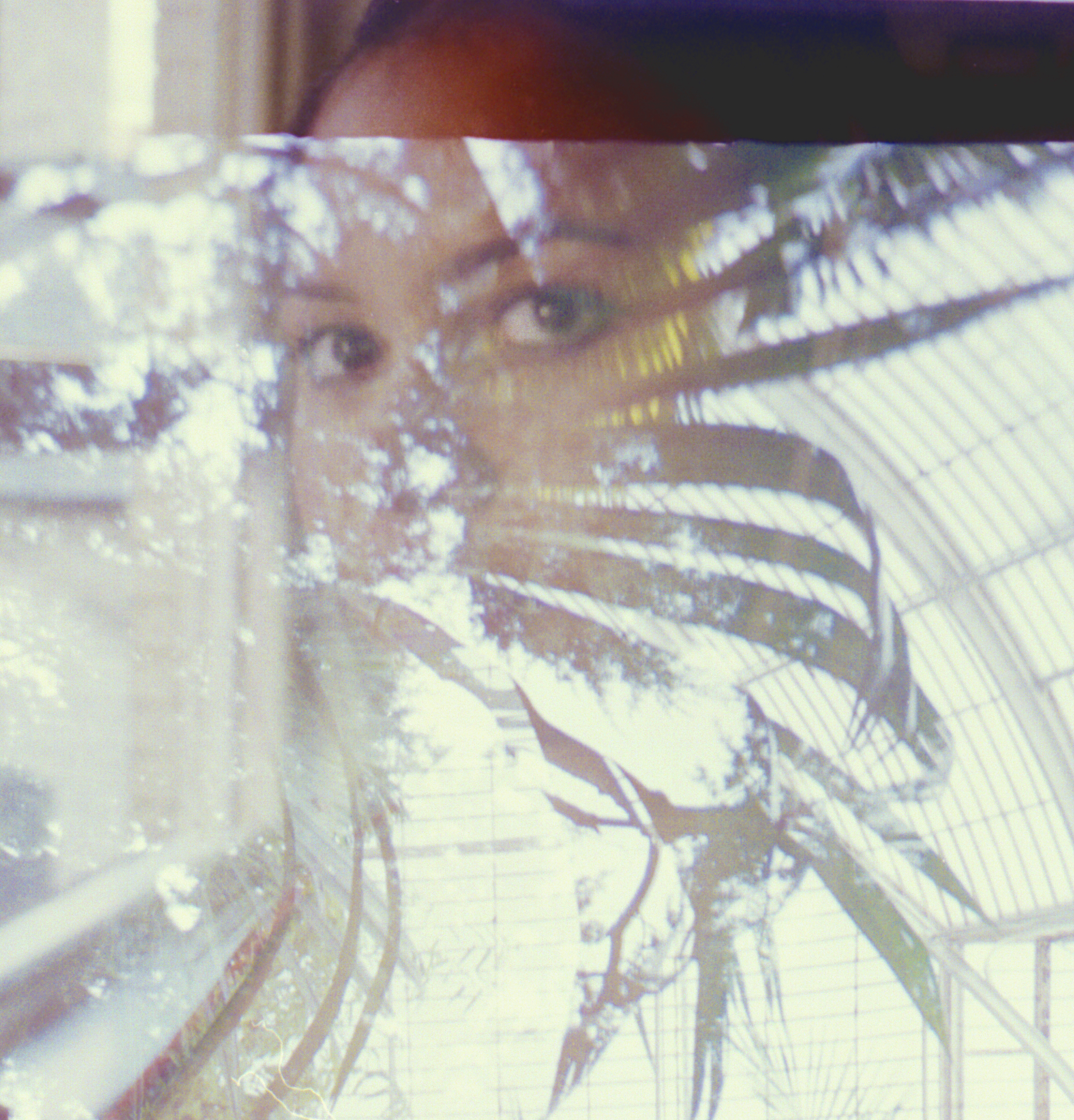
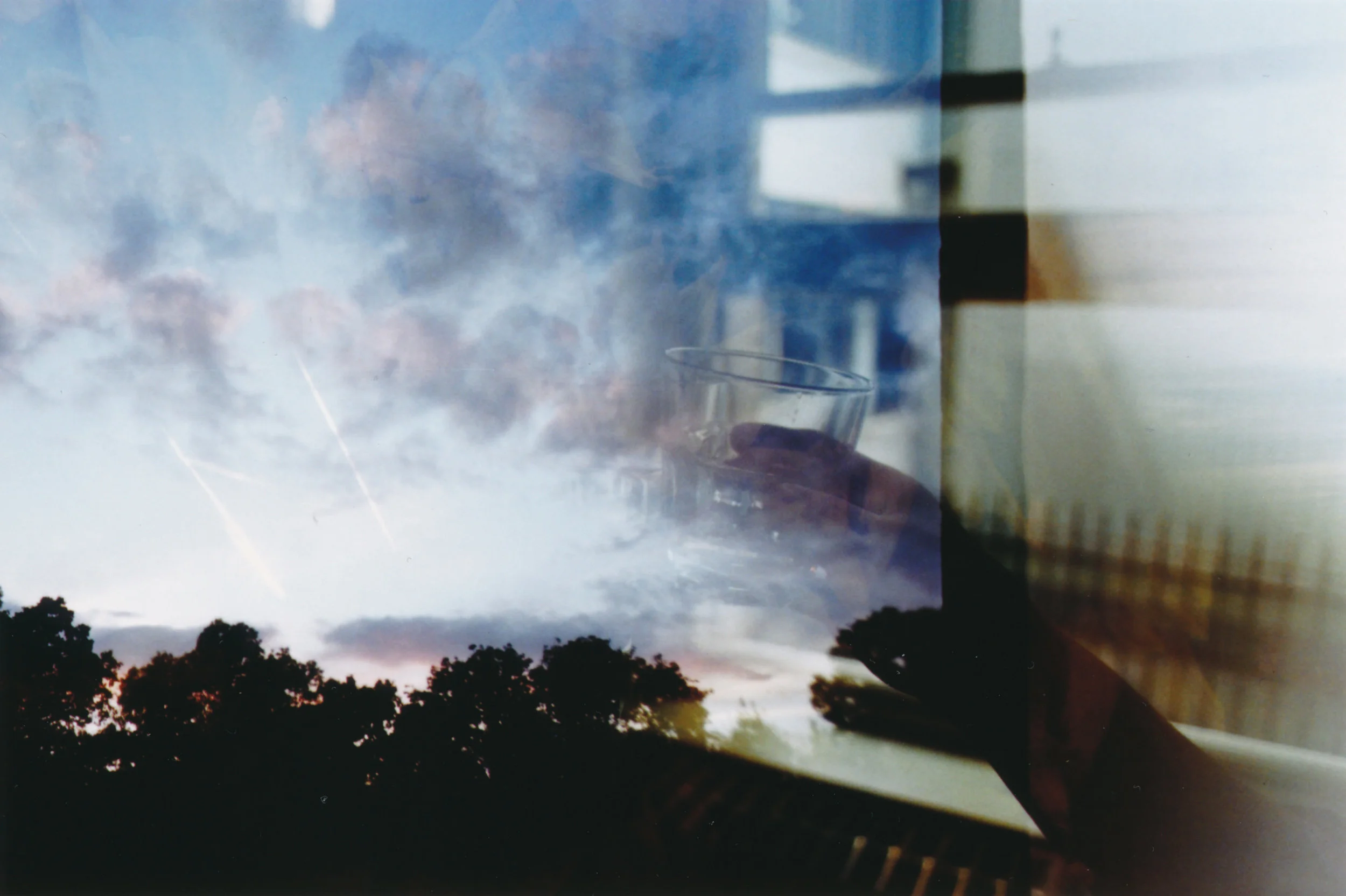
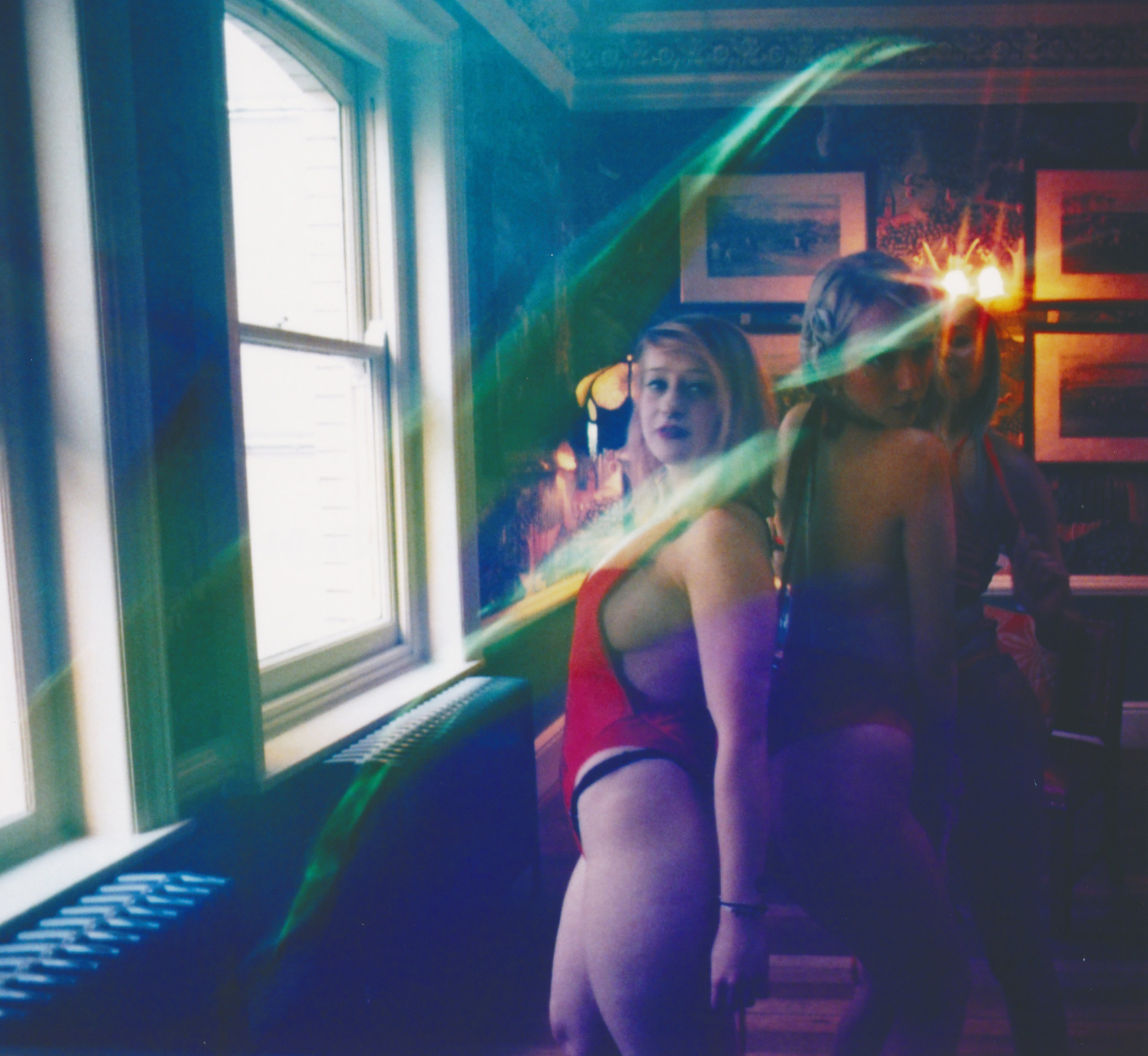

A swap with the fantastic Holly Jade

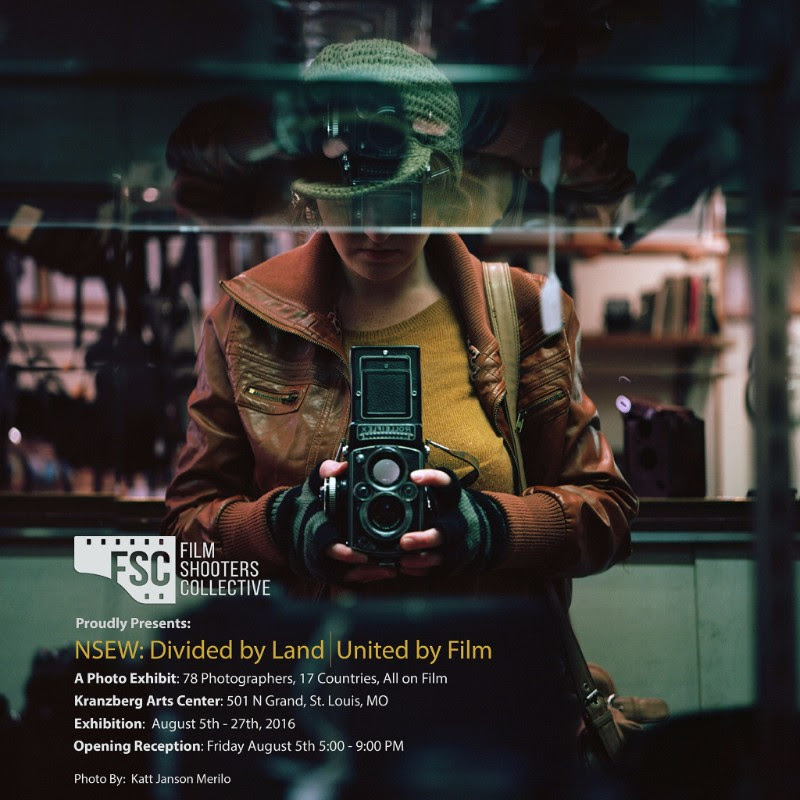
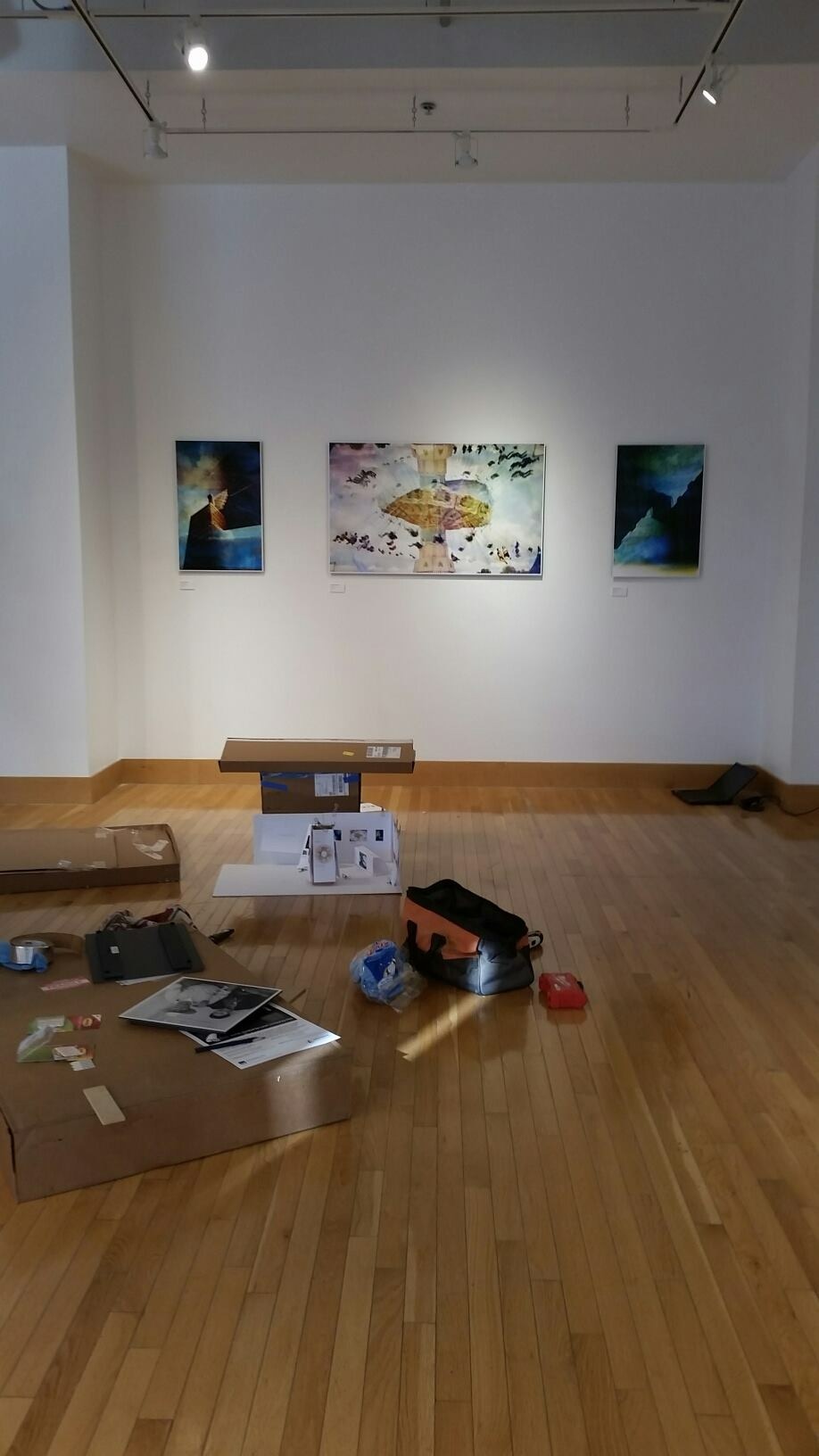
I’m really proud to be included in the Film Shooters Collective show in St Louis.
A project born out of incredibly hard work from members of a group of people I haven’t even met in real life, it is amazing to have 3 very large pieces of my work displayed.
Give the FSC a visit for all sorts of ace articles ranging technical articles on fixing your camera to film soup recipes. And if you are in St Louis - please check out the show, it looks fantastic.



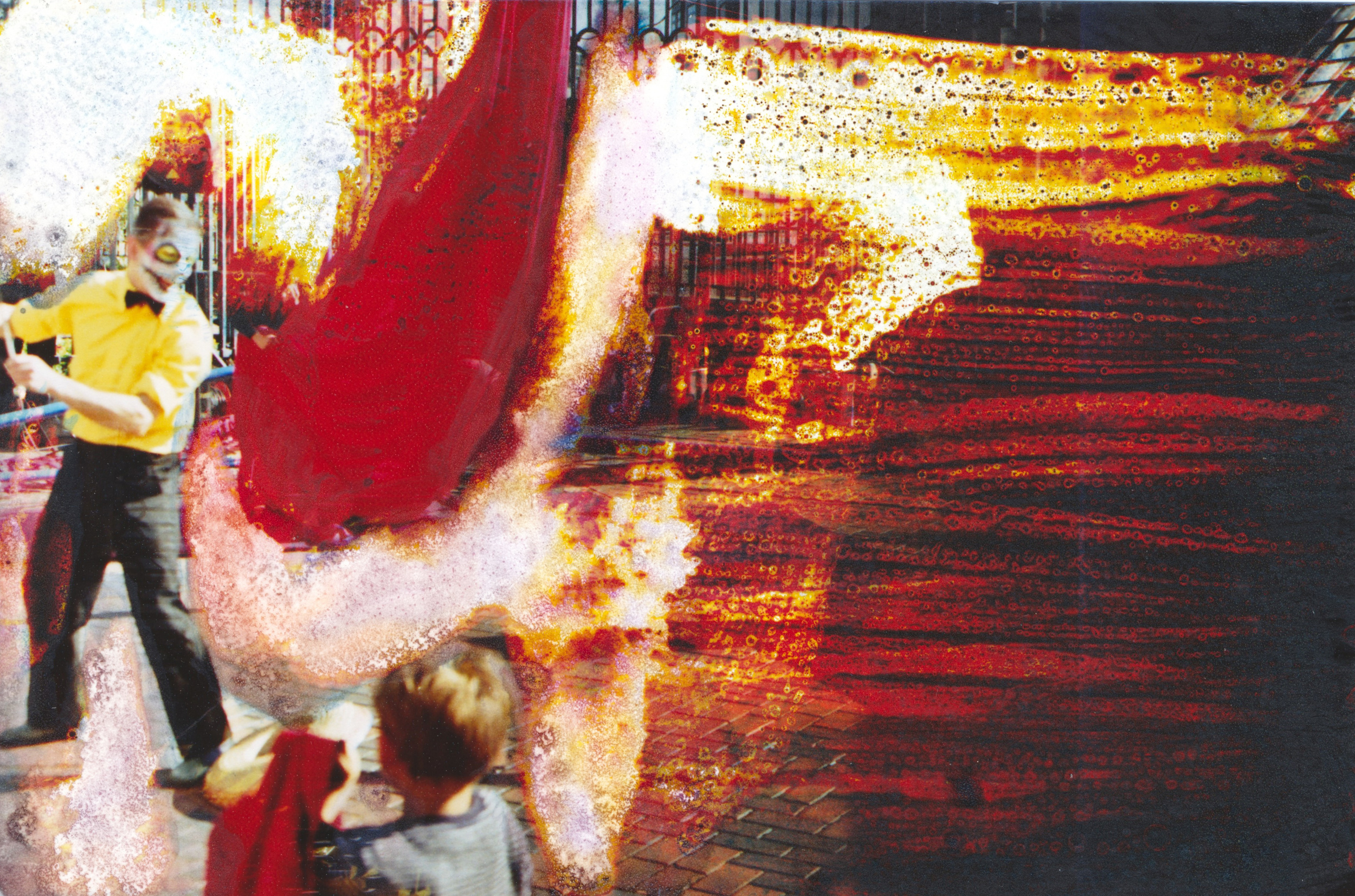
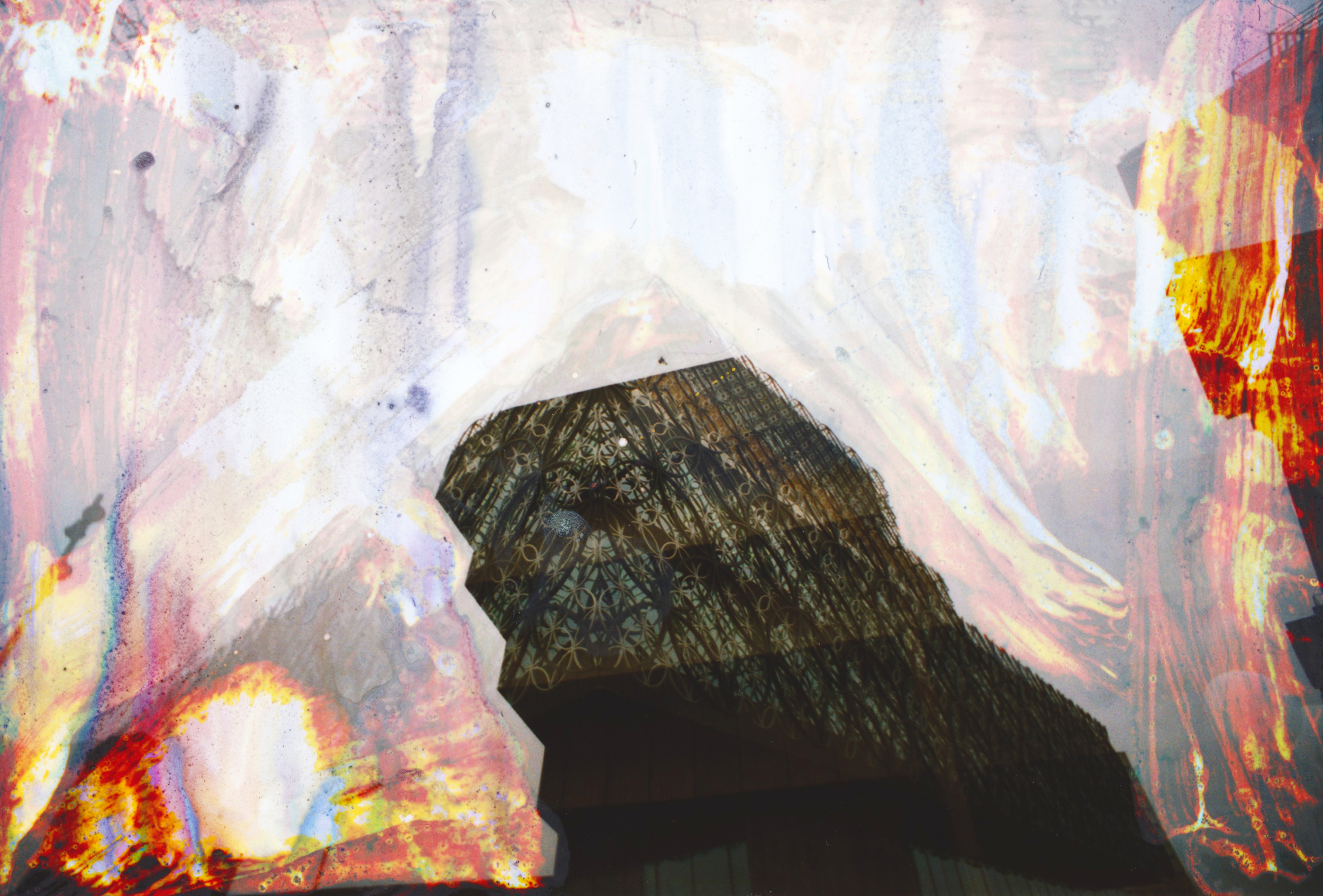
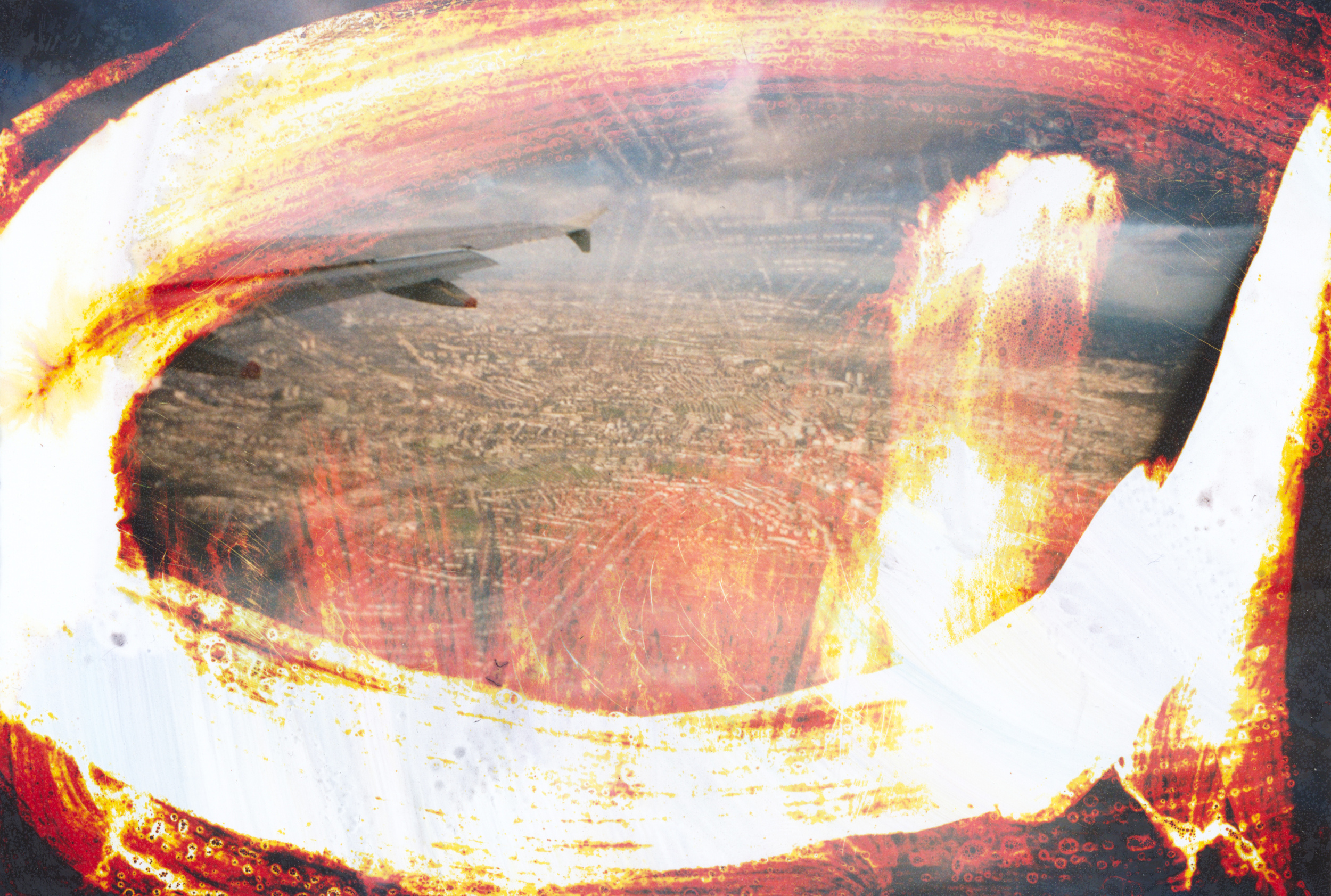
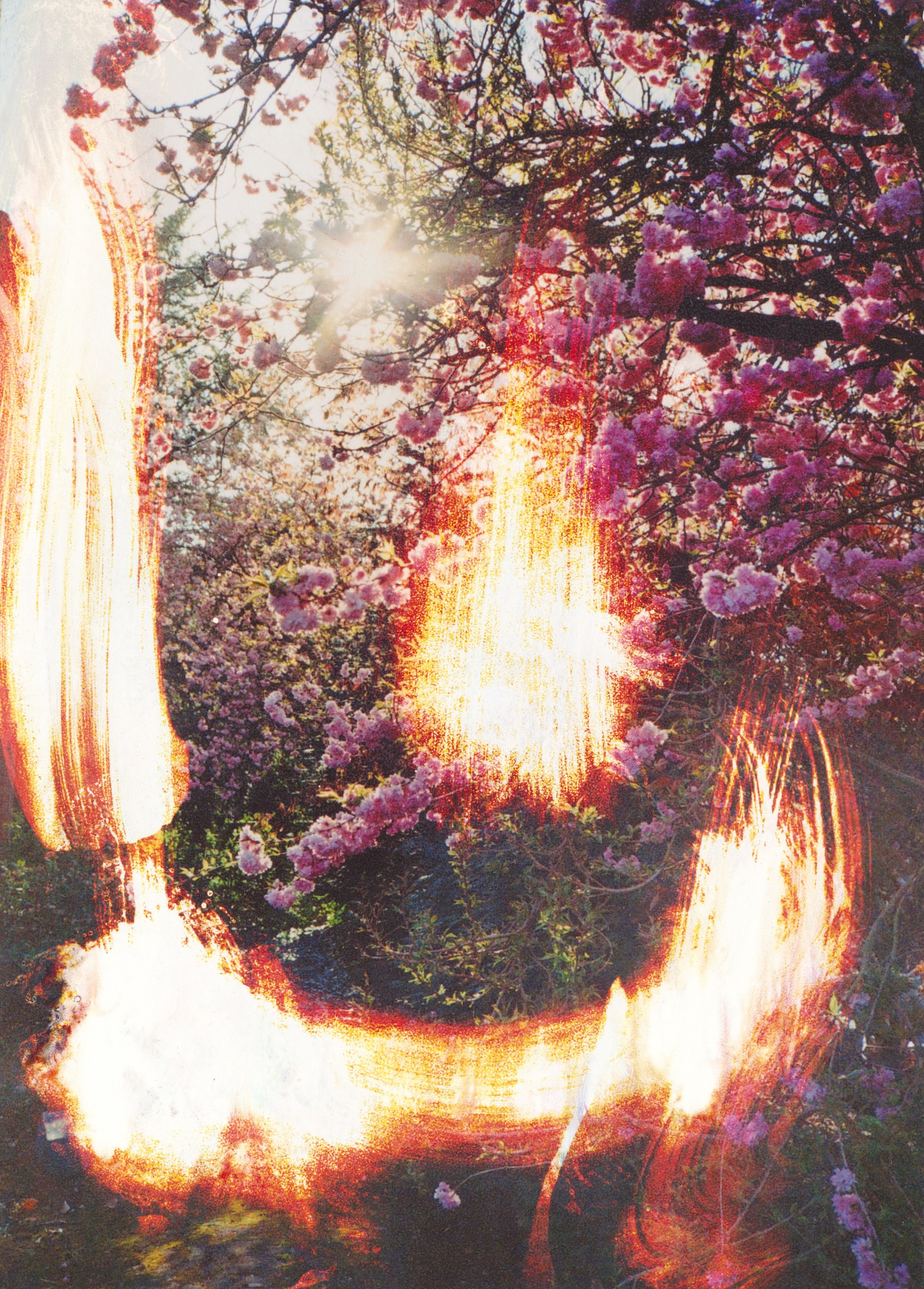

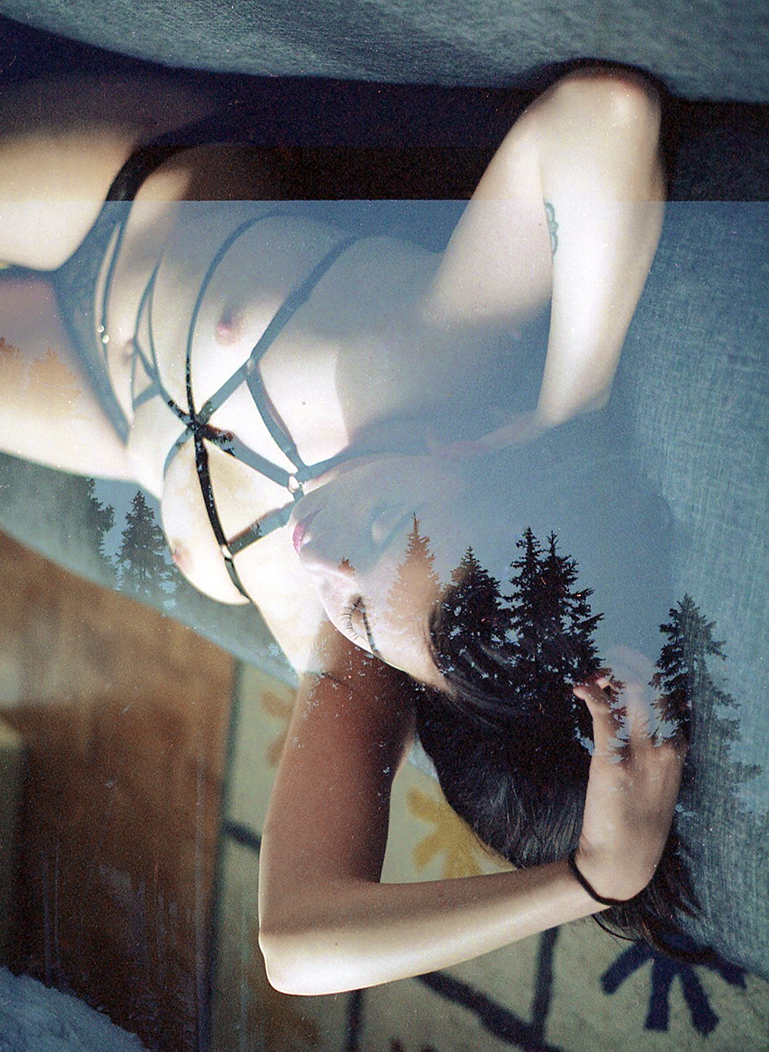

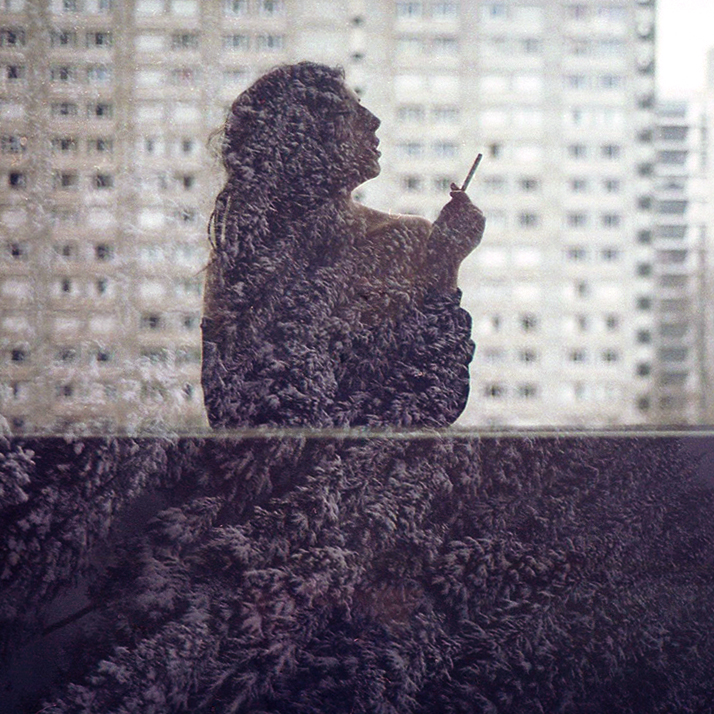

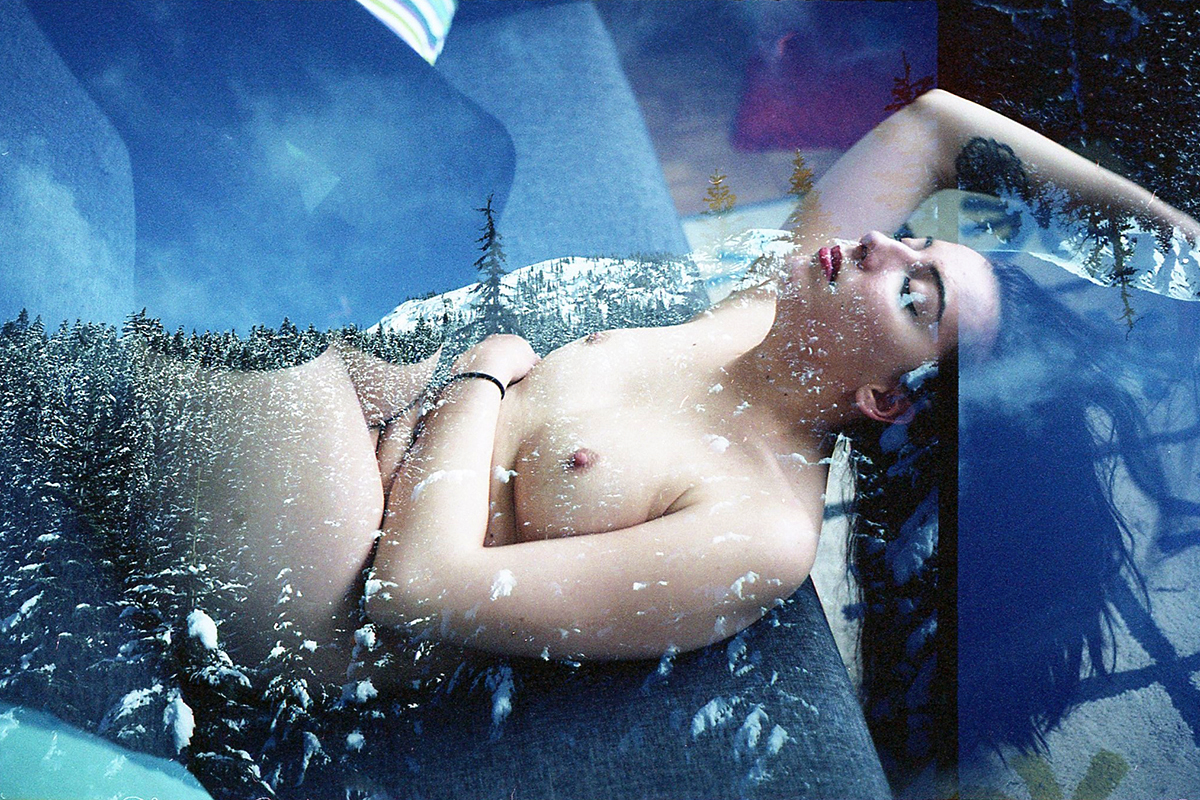
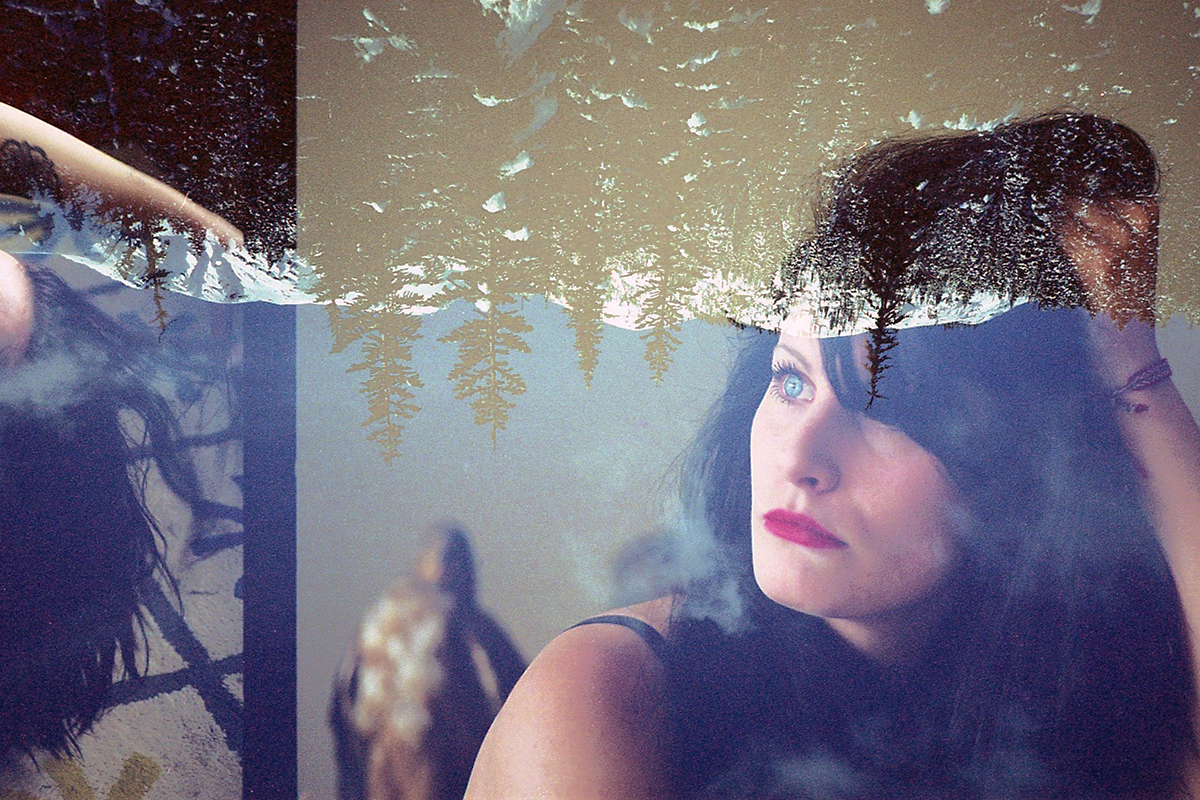
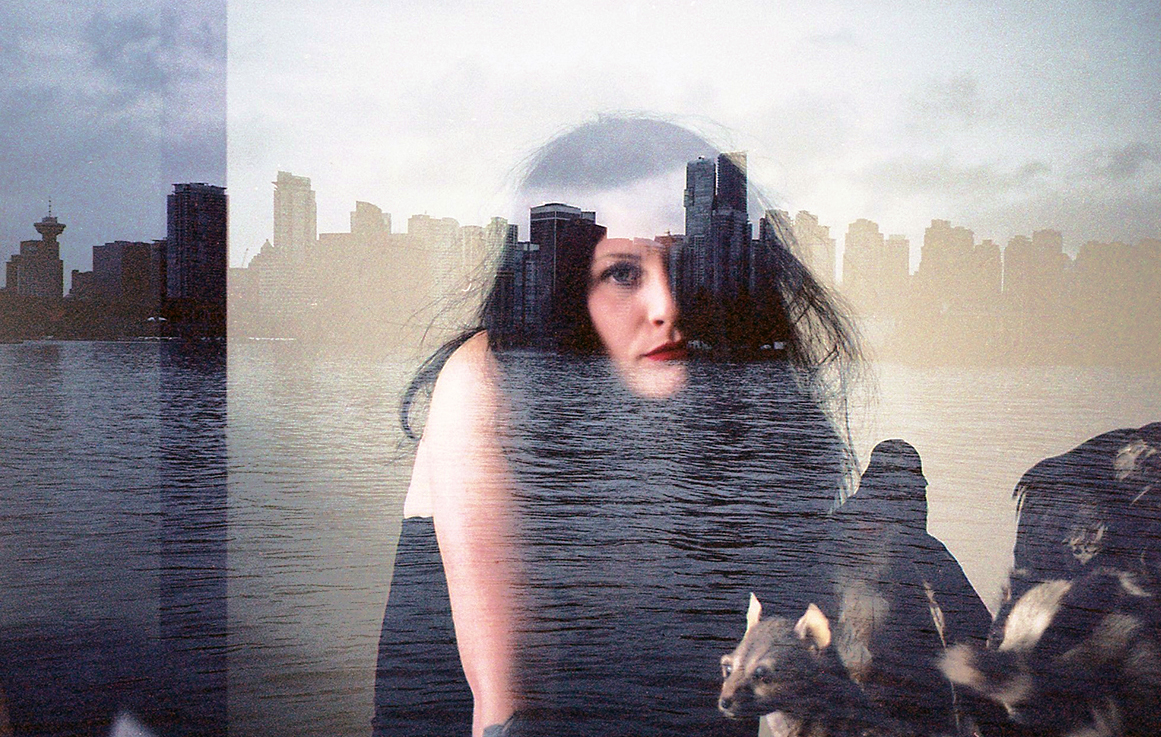


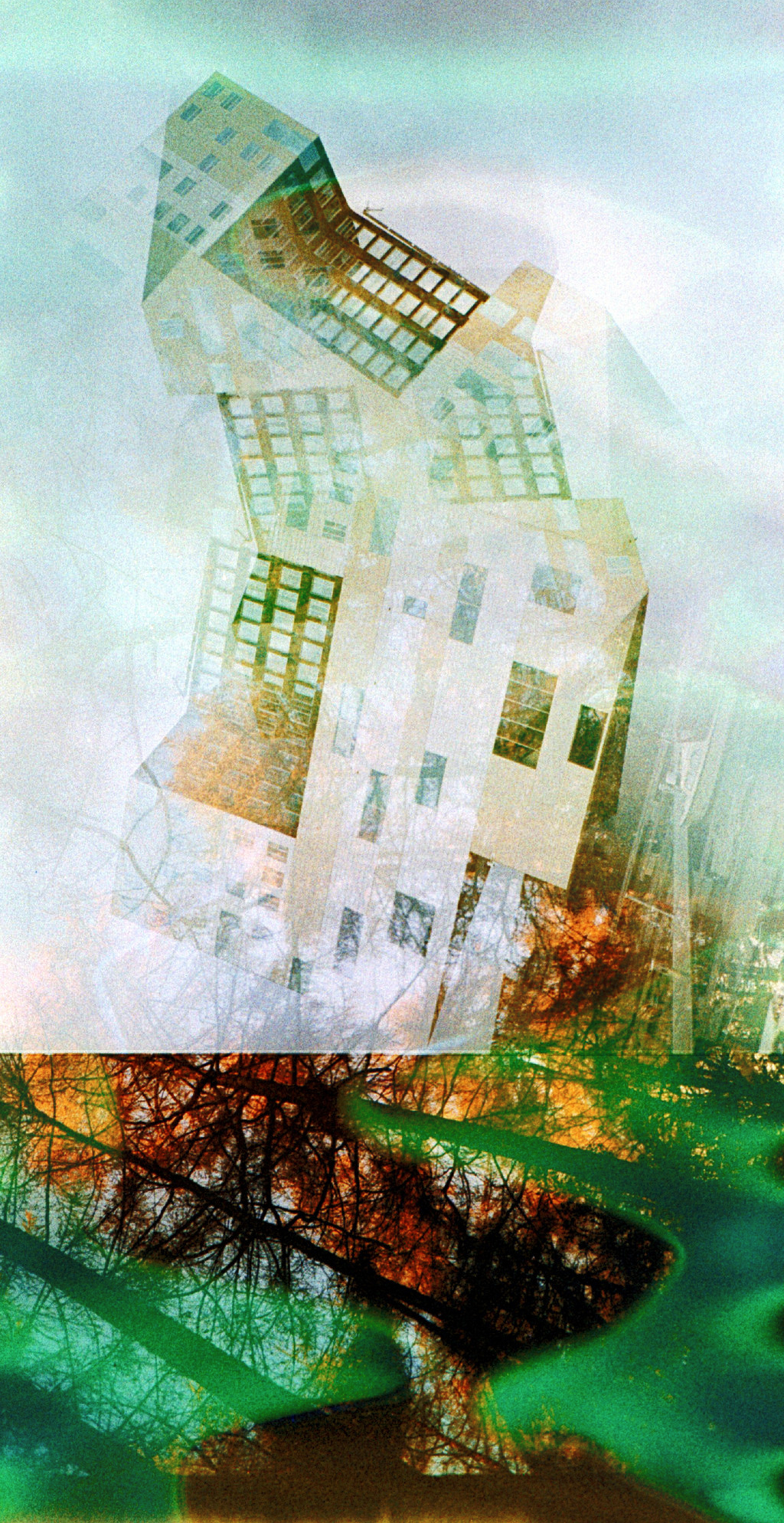
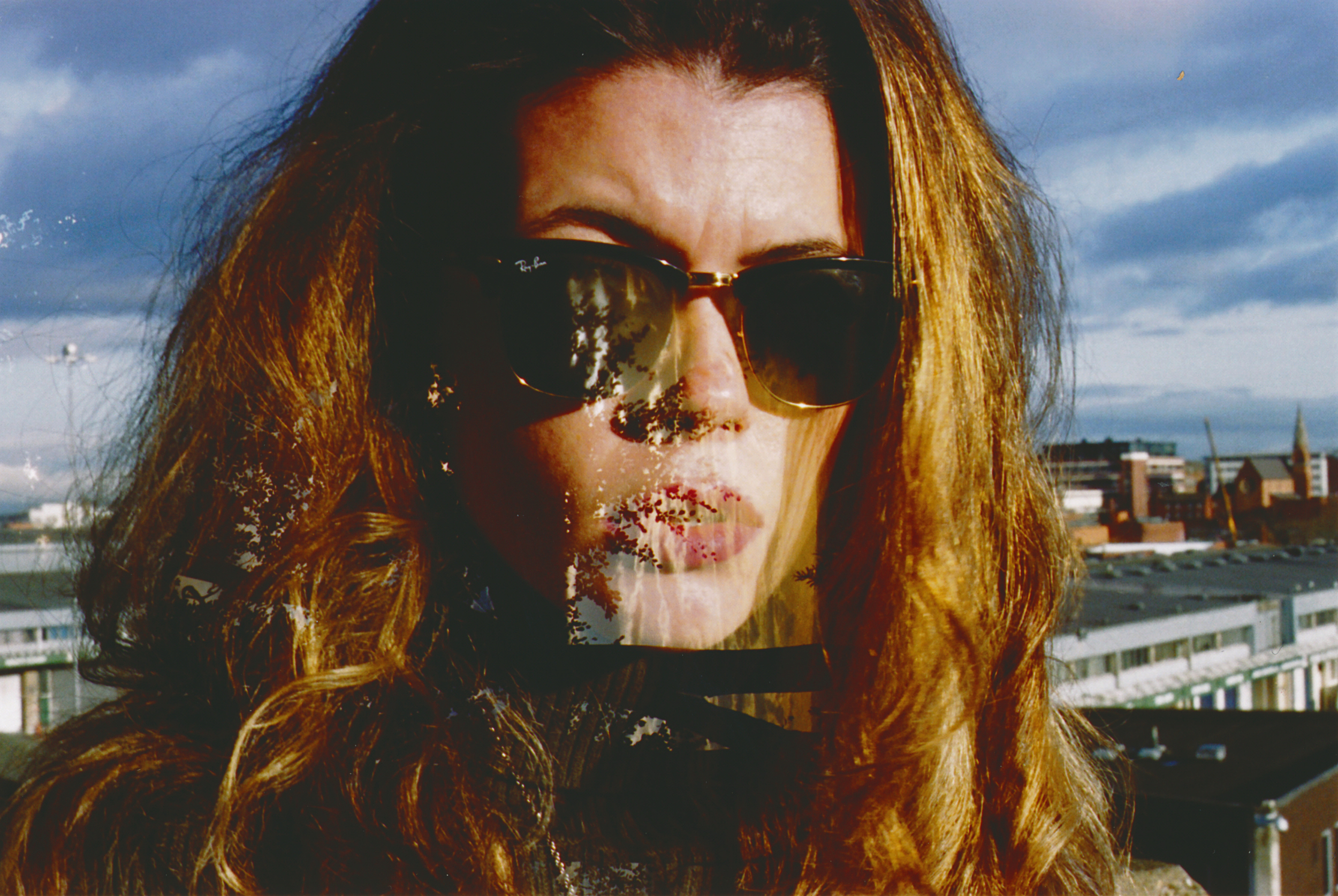
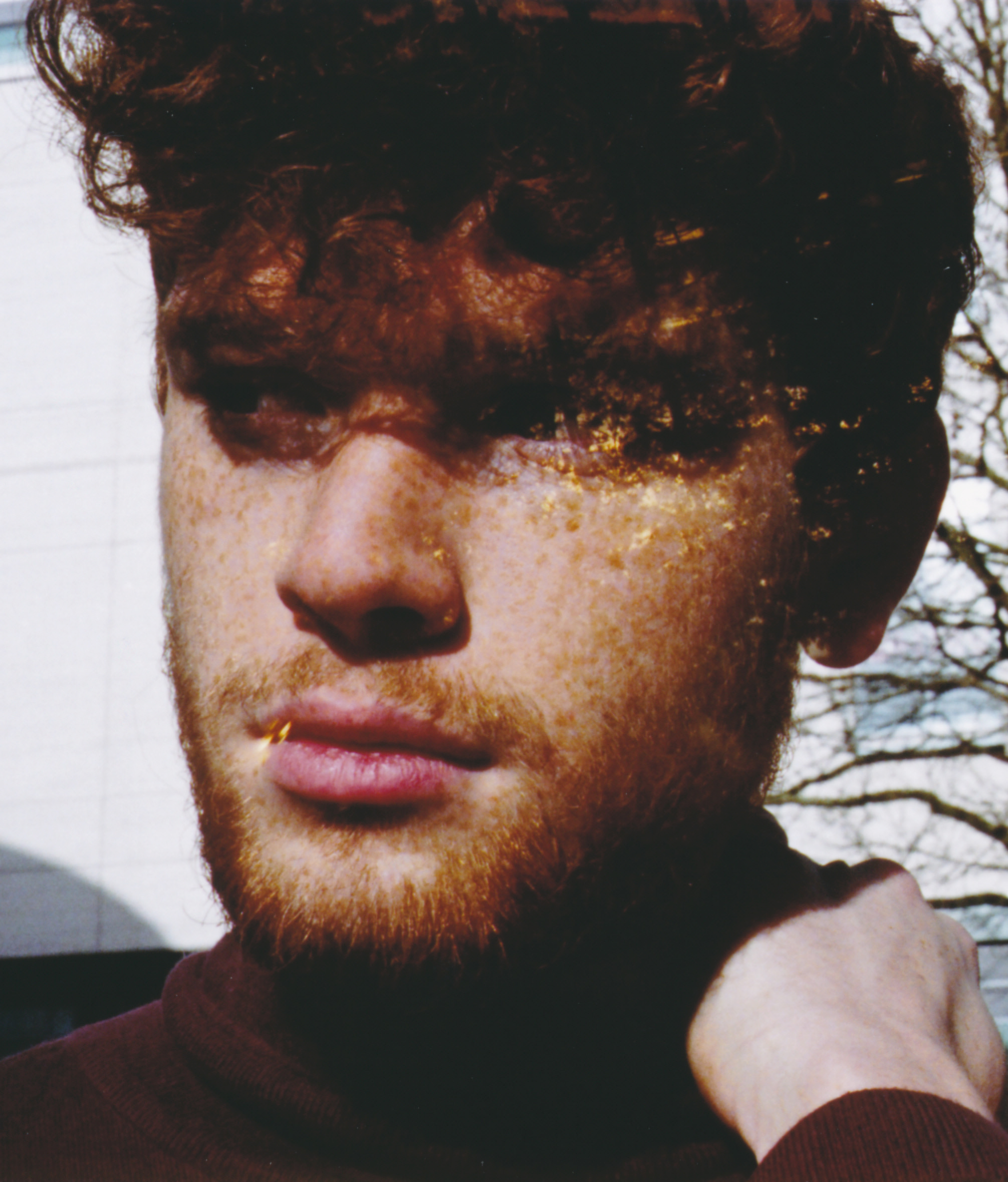
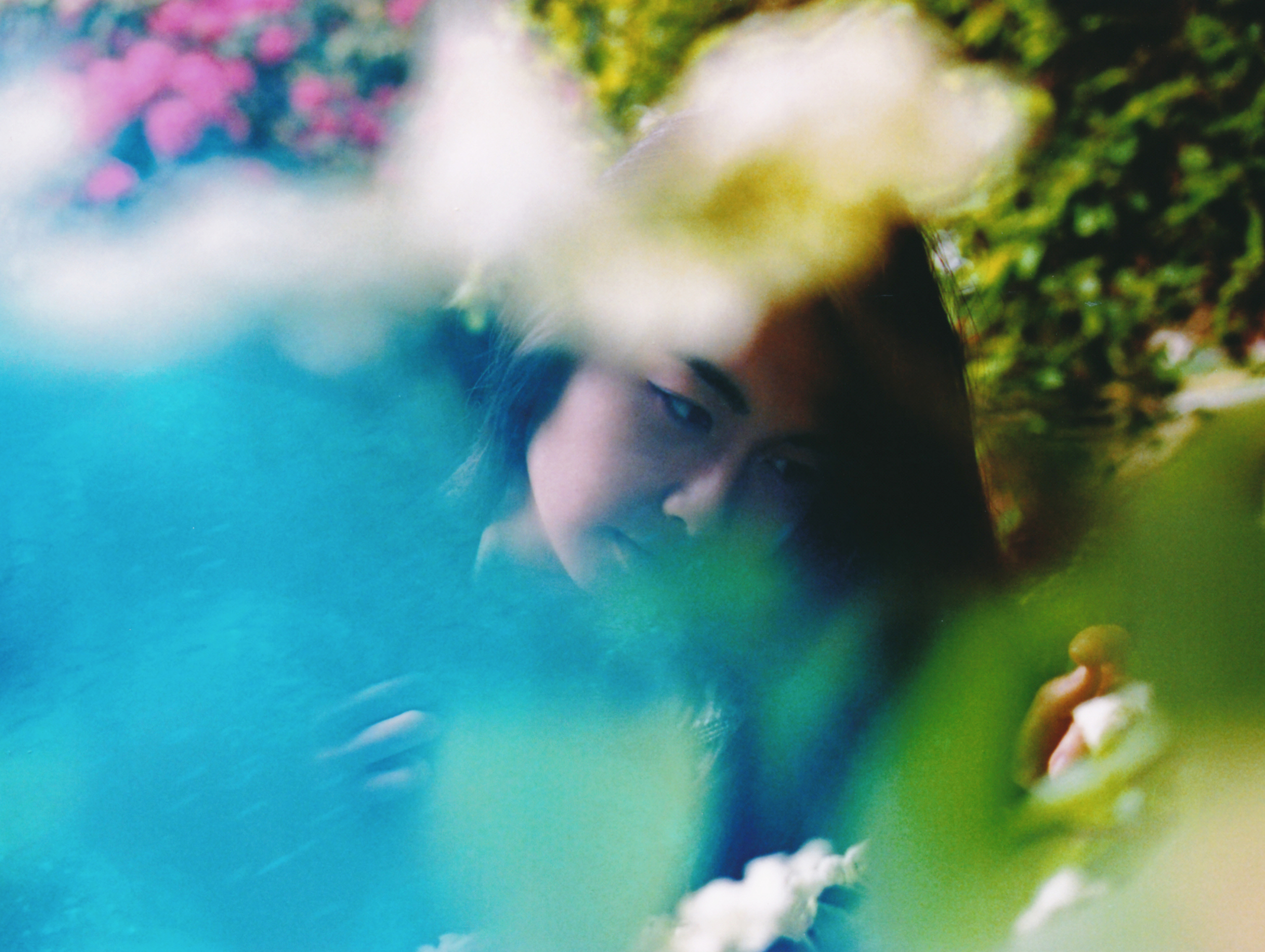
My third film swap with the extremely talented La Fille Renne brings together her beautiful portraits and my week in the Canadian mountains.
We used an Olympus XA2 and a Minolta X-700 with a 50mm f/2 lens. The film was expired Portra 100 Tungsten.
With great thanks to our models Elvira Ells & Aurore Dps.

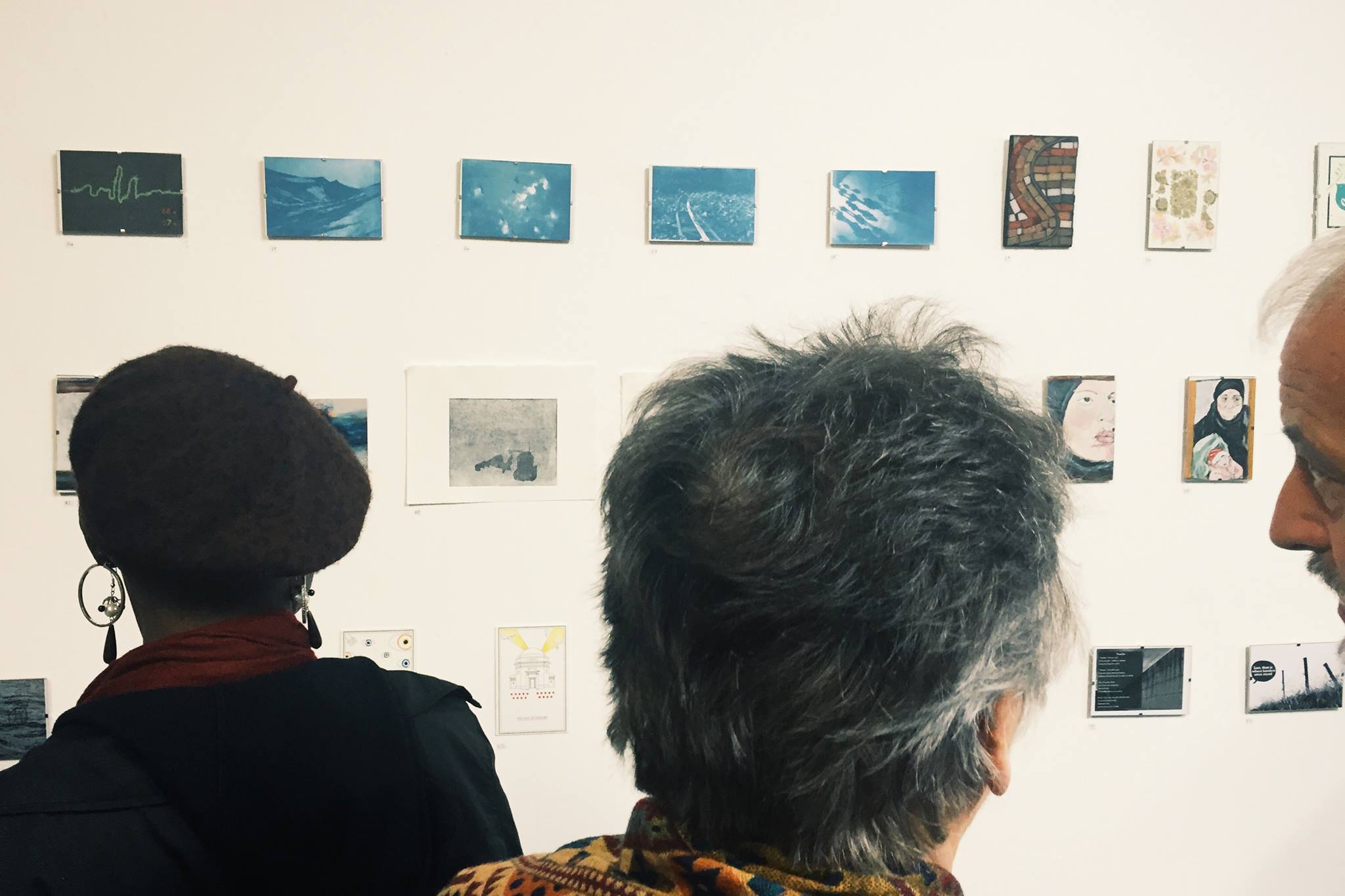
This month two separate pieces of my work were donated to raise funds for local charities.
Selected ‘Off World’ prints were shown in Grand Central Station, Birmingham and auctioned for Ladies Fighting Breast Cancer.
Four of my cyanotypes were up in Centralia Café, Digbeth and auctioned to help raise money for refugees in Birmingham.

The creative impulse comes from a fundamental need to remember. Taking a picture can stop time, keeping the things we love alive. Firing a shutter takes an instant but gives you all the time in the world to reflect upon it, amplifying the emotions found in that moment.
There was a time that you might just have one good photograph to be kept with you forever - your wedding day or a child’s first steps. Over a lifetime, the oils of your skin degrade the image, years of sun bleach away the colour and the edges fray from being passed between friends. The reconstruction that moment intensifies its significance over time and the damage becomes part of the memory, changing as you do.
In our hyper connected world the increased simplicity of image-making and sharing has completely changed our relationship with time and memory. If every waking moment is recorded and saved, can anything really be forgotten?

Camera phones create and consume millions of images a second - manipulated to make every mundane occurrence look like a precious moment. Whilst spontaneity and perfection are prized in the digital medium, we use software and filters to force our photos to evoke a completely different time or place. The camera has always been an unreliable narrator, but they have now become anti-memory devices.
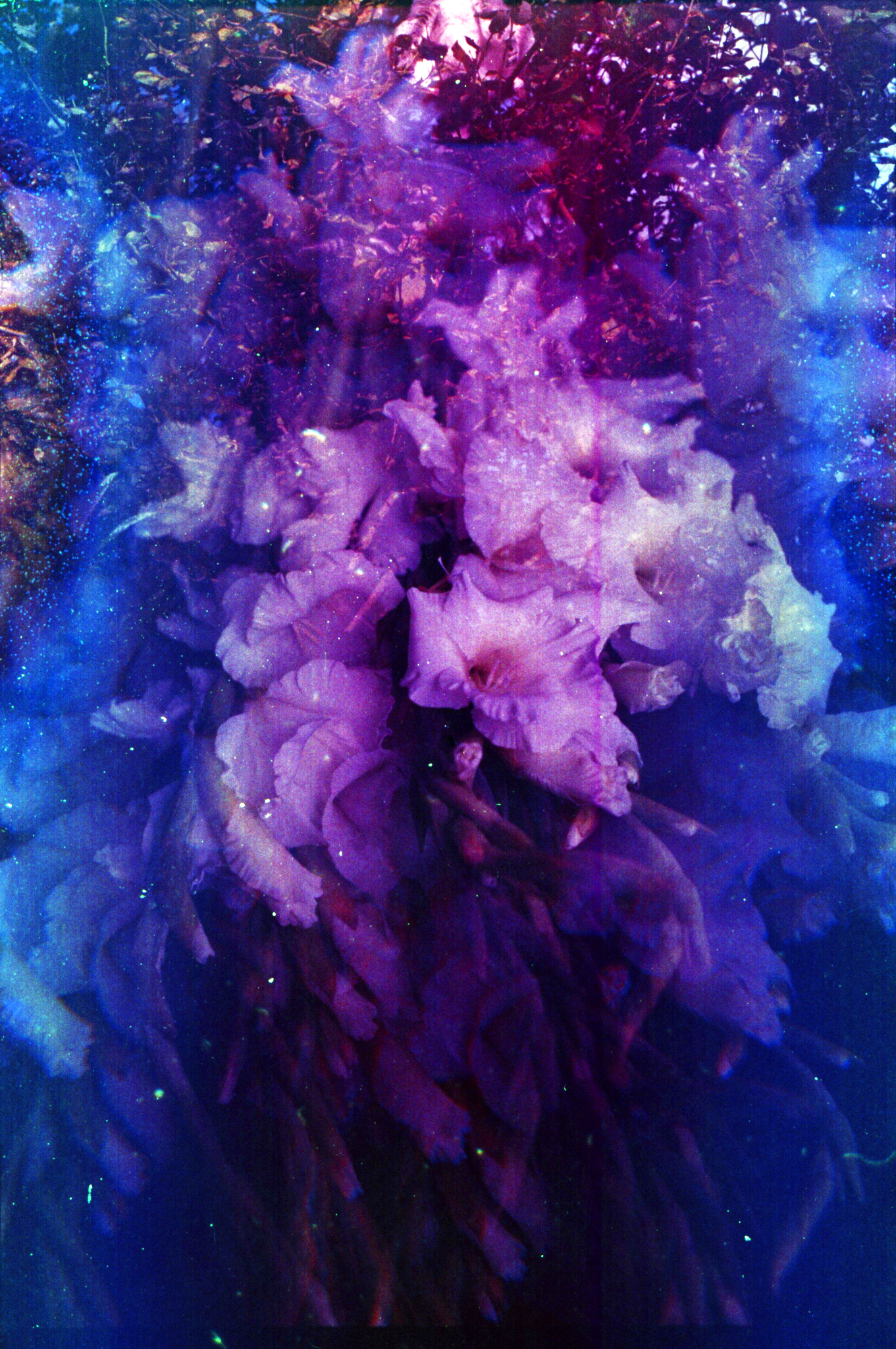
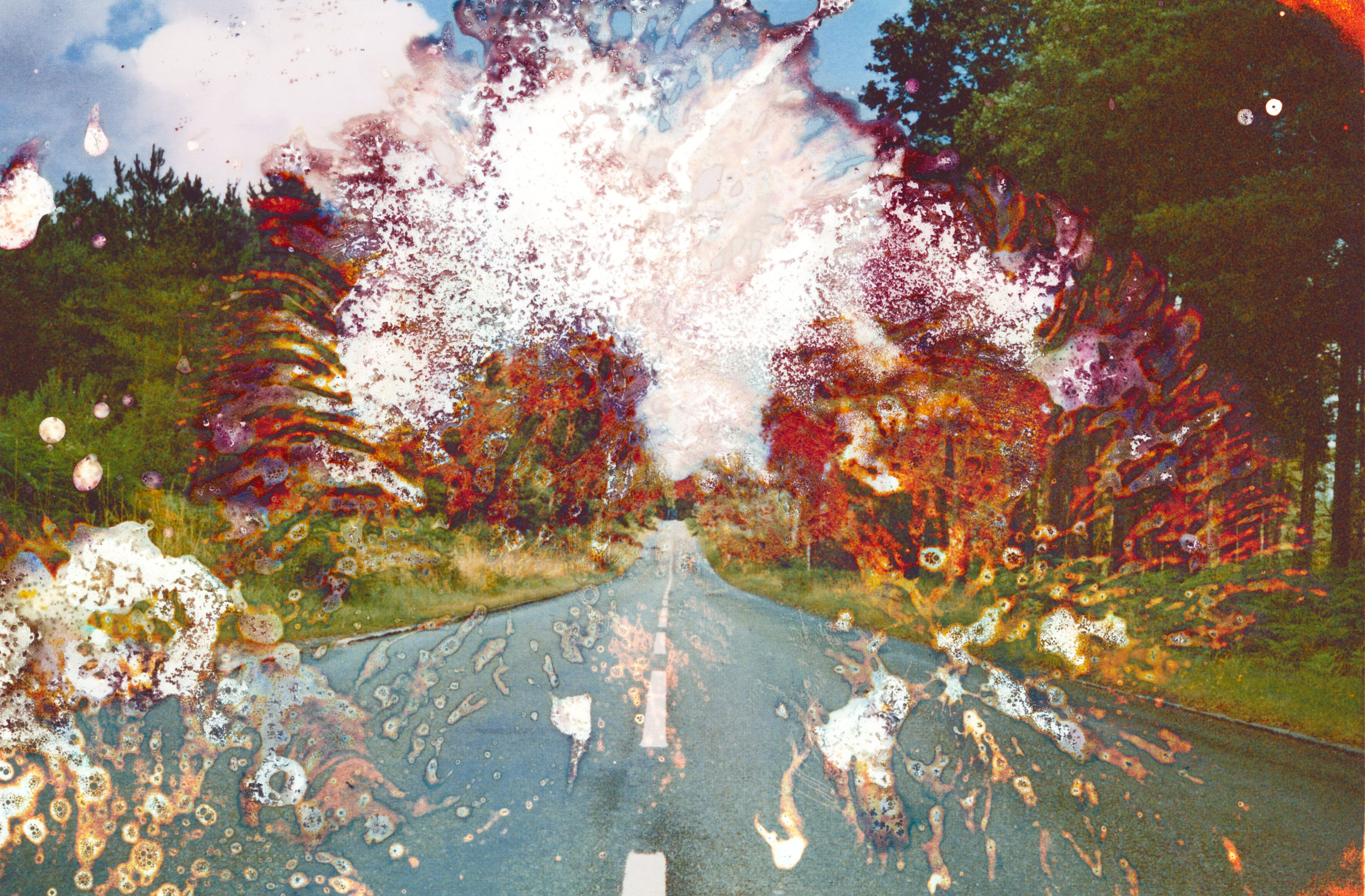
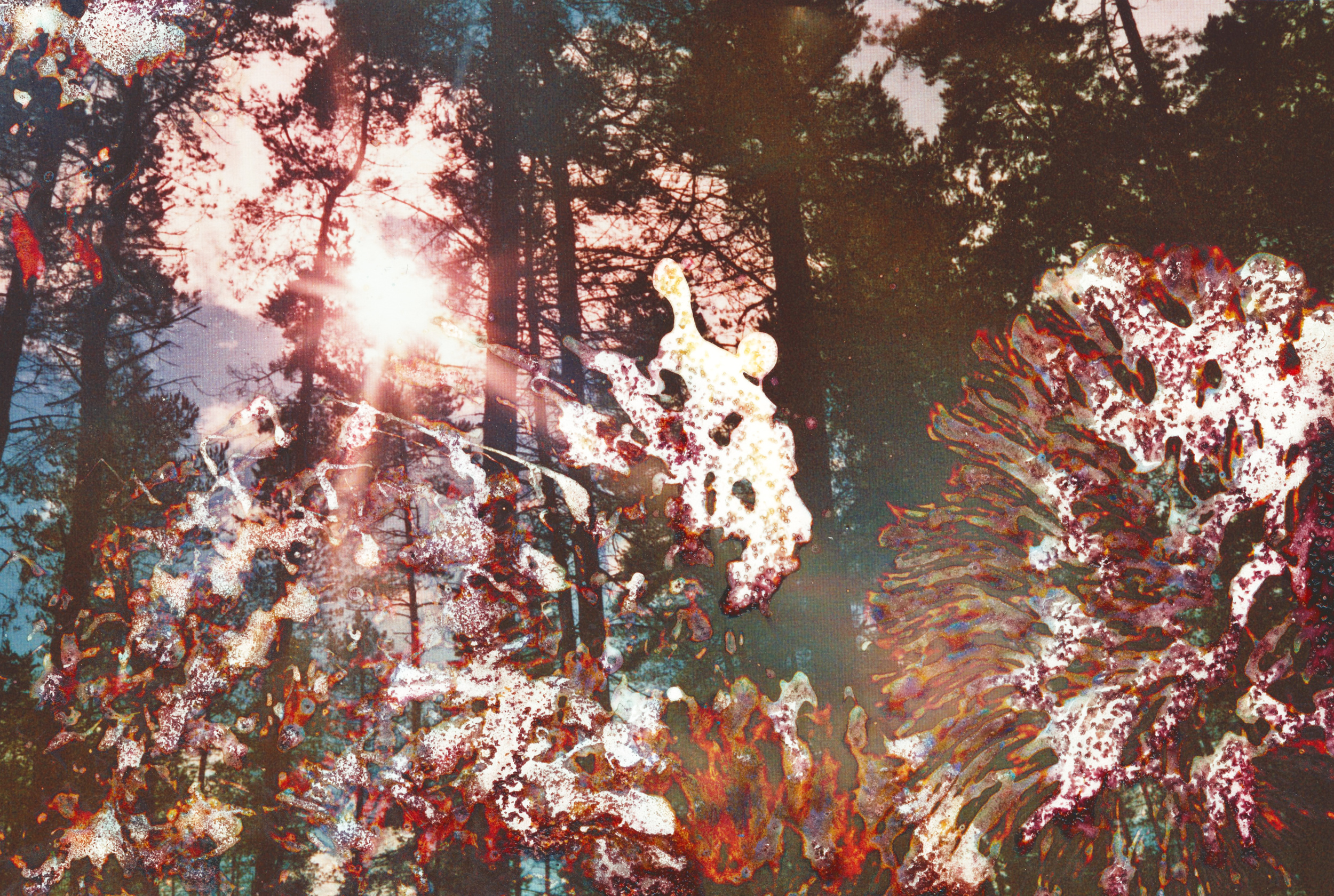
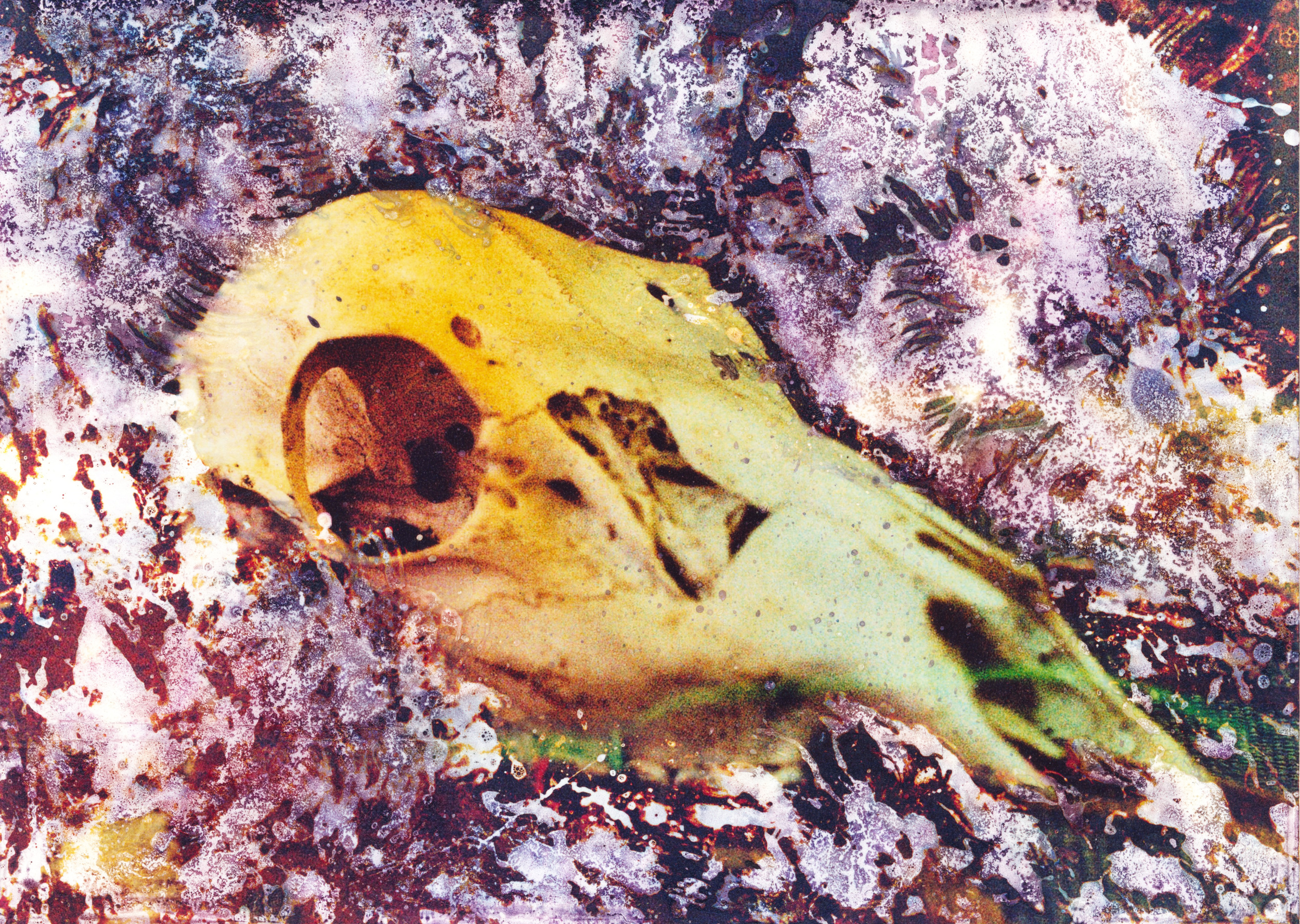
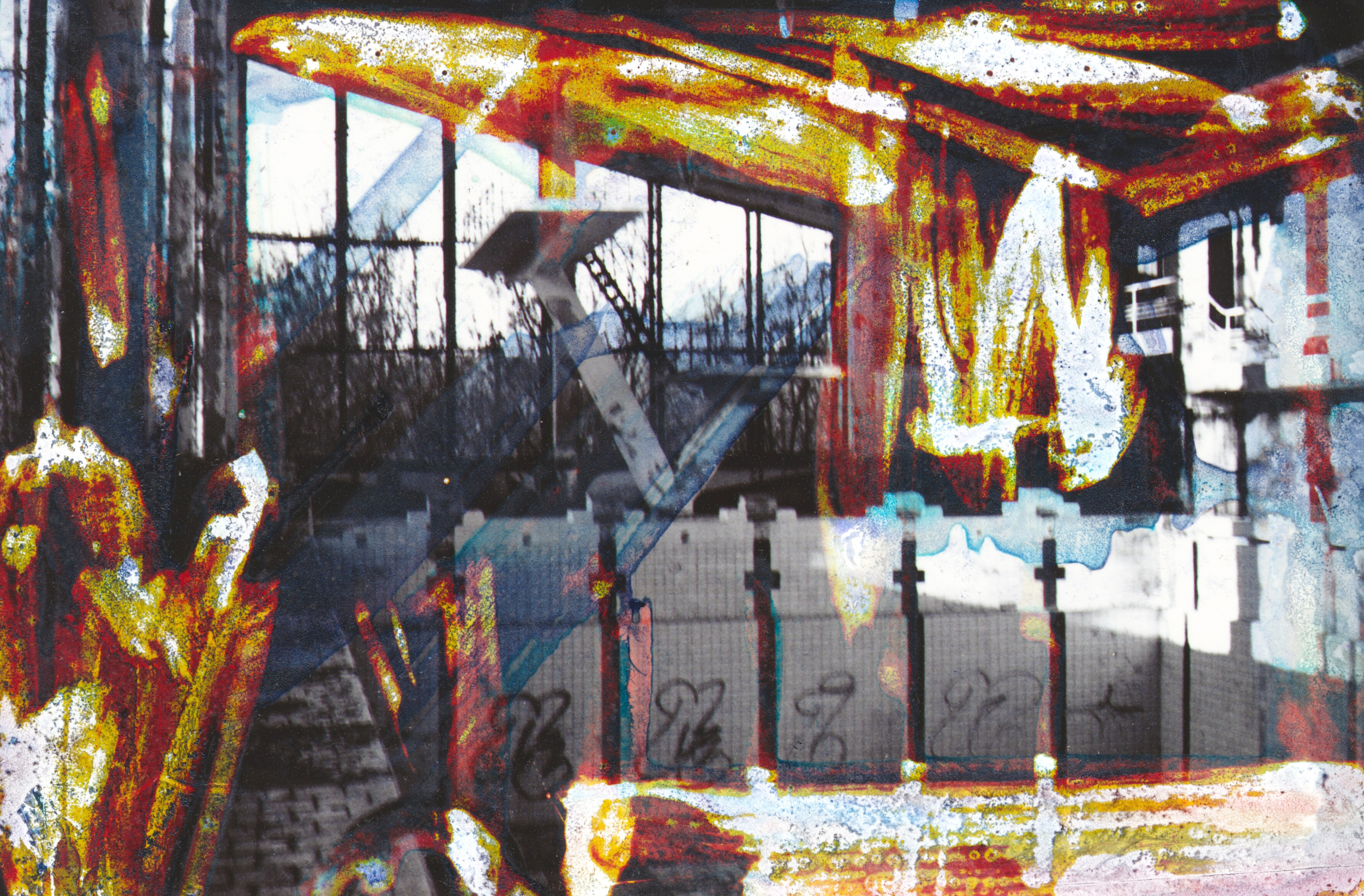
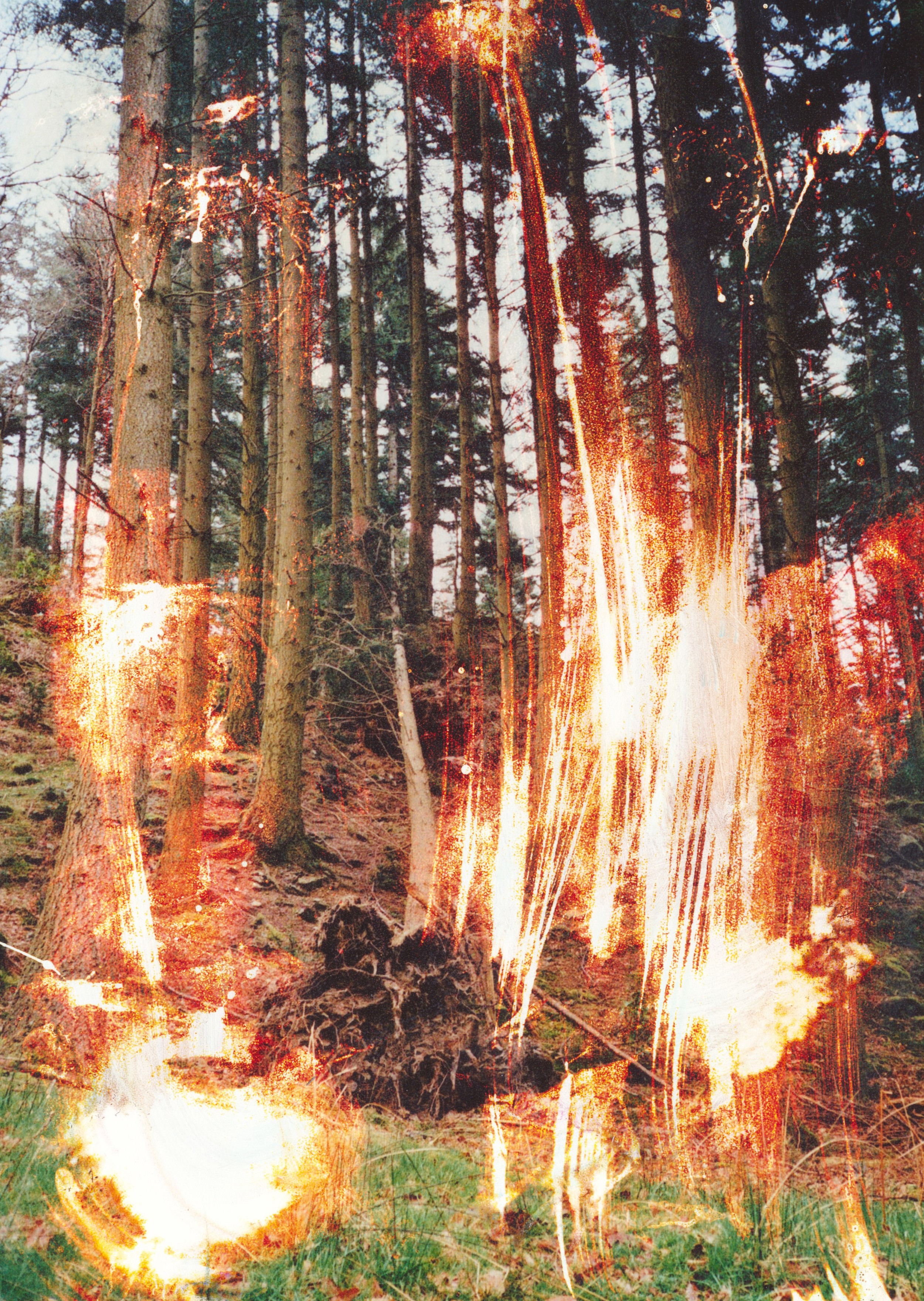
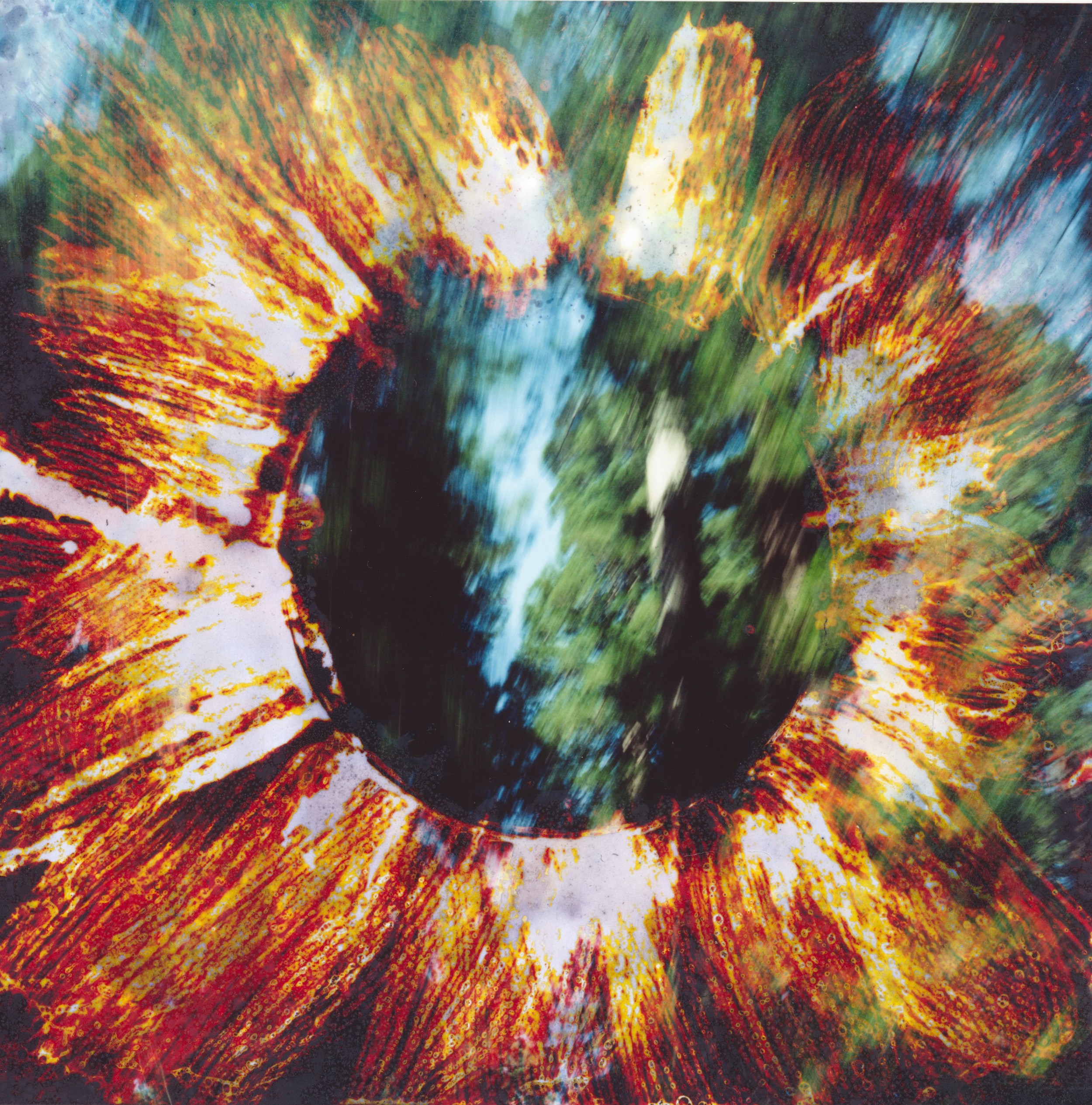
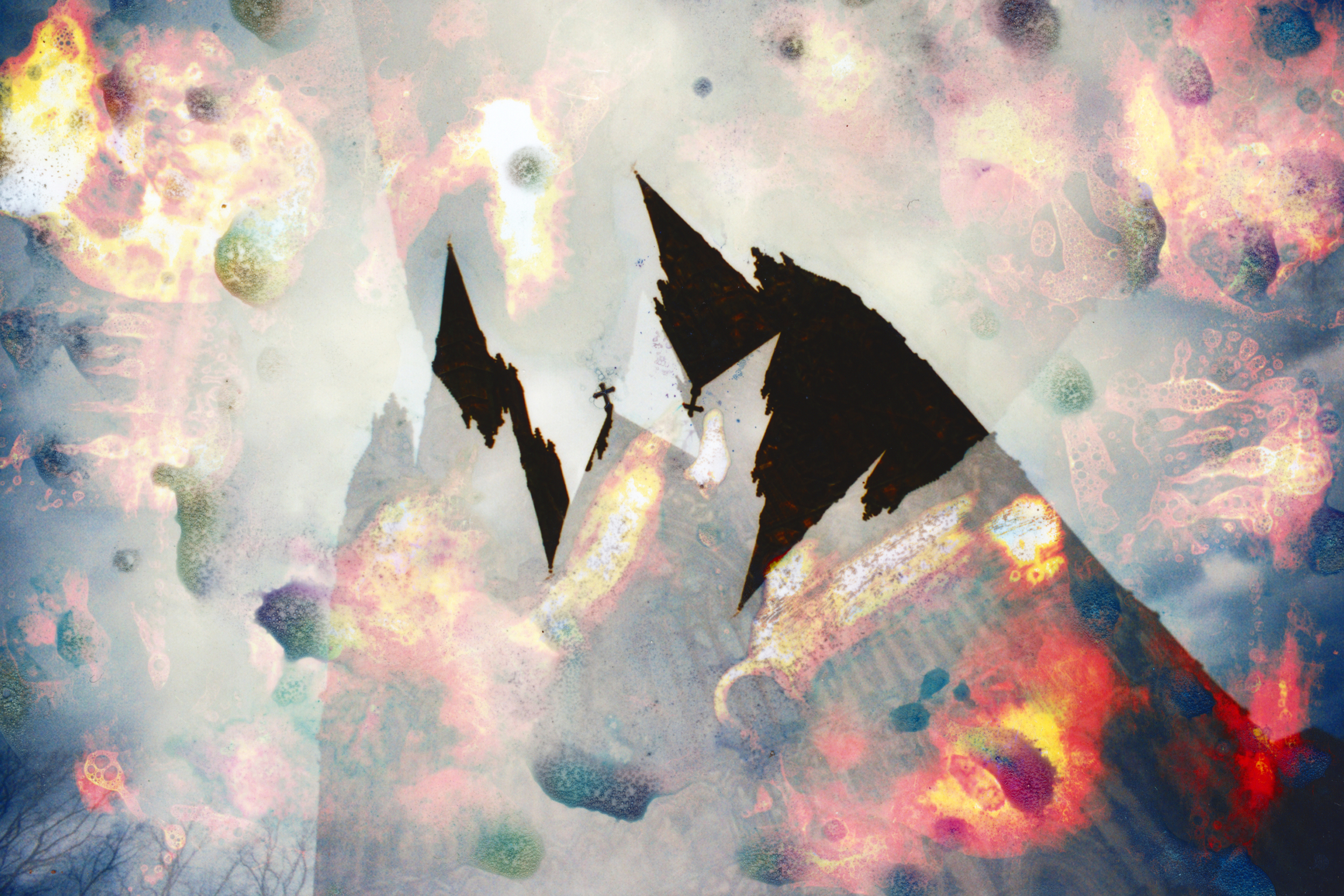
The images in this collection explore our how relationship with an image changes over time. The process of destroying film uncovers new layers of meaning as the layers of the emulsion are literally stripped away. By its very nature photography is fragmentary and suggestive, but here the pictures slide into abstraction and suggest completely new narratives.
Whether they are burned, buried or bathed in corrosive chemicals, the negatives undergo physical changes beyond their original intentions, giving chaotic and random effects. The composition melts away, colours bleed into another and details are obliterated - transforming the everyday into something otherworldly.

Destruction as a form of creation is a persistent historical trope - aging and degradation are universal constants and understanding them can be as frightening as it is gratifying. These alternative photographic processes show nature and beauty as they really exist, never the same and always fleeting. It is almost as though the images are slowly dying and you are watching their unique struggle for life in every frame.
These pictures are the opposite of immediacy - the procedure is involved and inherently physical. It is slow, unpredictable and susceptible to fault and, in this way, reflects the ephemeral nature of human memory. Age, injury and chemicals all affect our ability to remember and as an analogue, destroying film takes a memory and irrevocably changes it through decay and regeneration. It is our cognitive weakness in relation to the passage of time that compels us to save things through photography. In the age of the information glut, these pictures show how we can forget.